On Raising A Nature Lover
Does nature appreciation come from nature or nurture?

When it comes to the nature vs. nurture debate, I come strongly down on the side of nature. I think most of who we are—our personalities, temperament, preferences, and intelligence—are just… who we are. I think these things are largely inborn and that upbringing isn’t going to change them, not much anyway.
This is not to say that the environment someone is raised in has no impact on how they turn out at all. I think a bad environment that involves neglect and abuse certainly harms and stifles a person, which is why I think the most important job of parents is to provide care, protection, and security. Beyond that, however, I don’t think you’re going to change much about who the little person you are raising is going to become.
So, I’m not too concerned about impacting who my own daughter is going to become aside from getting her there lovingly and safely. She certainly was no blank slate and has an amazing personality that I take no credit for, aside from the genetics that contributed to it. I want to let the best parts of her flourish and help her with whatever she may struggle with, and I can’t wait to see what all of that entails. I think that’s all you can really do, and I think that’s just how it should be.
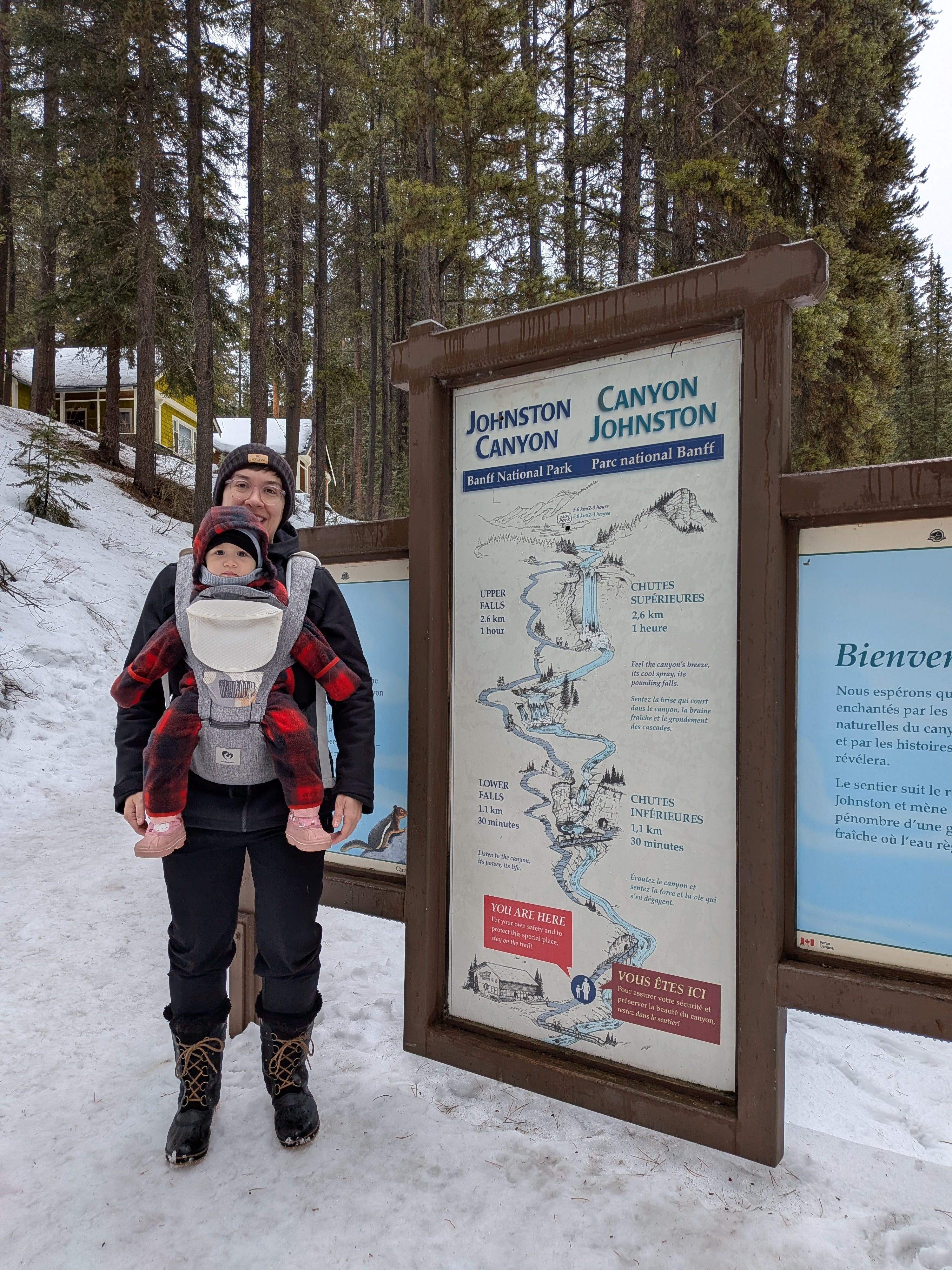
But one thing I would like to nurture in her and bring out as best as I can is a love for nature, and I think we’re off to a great start. By the time our daughter turned 10 months old, my wife and I had already taken her to quite a few of our favorite mountain spots. Experiencing these places with her by our sides made them more beautiful than ever.

Unfortunately, we didn’t get to take her to the Athabasca Glacier before her first birthday as I had hoped in that post. She got roseola and traveling that far would have been a terrible idea. But we were able to change our booking to a year from our original date, so we are hoping we can make it out there before she turns two. That will be really special; we visited the glacier right after deciding to create her.
As for why I want to raise a nature lover? Well, I think it’s a self-evident good. The natural world is amazing and deserves appreciation. I think spending time in nature is a great way to feel more happiness and satisfaction. I think it’s good to experience beauty, and I have had some of the most wonderful times of my life in the mountains. I want my daughter to experience the best that the world has to offer. But there’s more to it than that.
***
I've been reading When the Trees Say Nothing, a collection of Thomas Merton’s writings on nature. I'm embarrassed to say I've been reading this tiny book since I got it for Christmas. But I do make a point to read at least a page or two after putting my daughter to sleep every night, while still in her room. I keep it next to her diapers.
In addition to all of the wonderful descriptions of nature, there was one passage that really struck me:
Man can know all about God’s creation by examining its phenomena, by dissecting and experimenting and this is all good. But it is misleading, because with this kind of knowledge you do not really know the beings you know. You only know about them. That is to say you create for yourself a knowledge based on your observations. What you observe is really as much the product of your knowledge as its cause. You take the thing not as it is, but as you want to investigate it. Your investigation is valid, but artificial.
There is something you cannot know about a wren by cutting it up in a laboratory and which you can only know if it remains fully and completely a wren, itself, and hops on your shoulder if it feels like it.
An appreciation of nature, to me, is not just an enjoyment of the trees and creeks and birds and wind and sun and sky. This is all important and wonderful and something I want my daughter to enjoy, but it's not just about spending time outside. It's about an appreciation of nature as in the way things are. In other words: a direct experience of life and living things.
I think this is extremely important today when so much of our lives actually comes to us second-hand. Everything is representation, often through a screen. I don't think this is always bad or sometimes we can or should avoid. I use screen, obviously. My daughter has some access to screens because I don't want it to become a kind of forbidden fruit. But it does encourage a disconnection and dissociation from the world, which I think robs us of the chance to really know ourselves and others.
My daughter is growing up in a world where she will have endless access to information. But information isn't experience. I also think a lot of modern issues and obsession with “identities” stem from the way in which we have forgotten how to be and instead only know how to verbally identify. Worst yet, sometimes that declared identity has nothing to do with who or what we actually are. I don't want her to get lost in this hall of mirrors. I may not be able to control who she is, but I want to give her a way of looking at the world. Not a guide for what to look at but a guide for how to look.
***
So we take her into nature every chance we get, and most recently that was a trip to Johnston Canyon, my favorite place in the world.
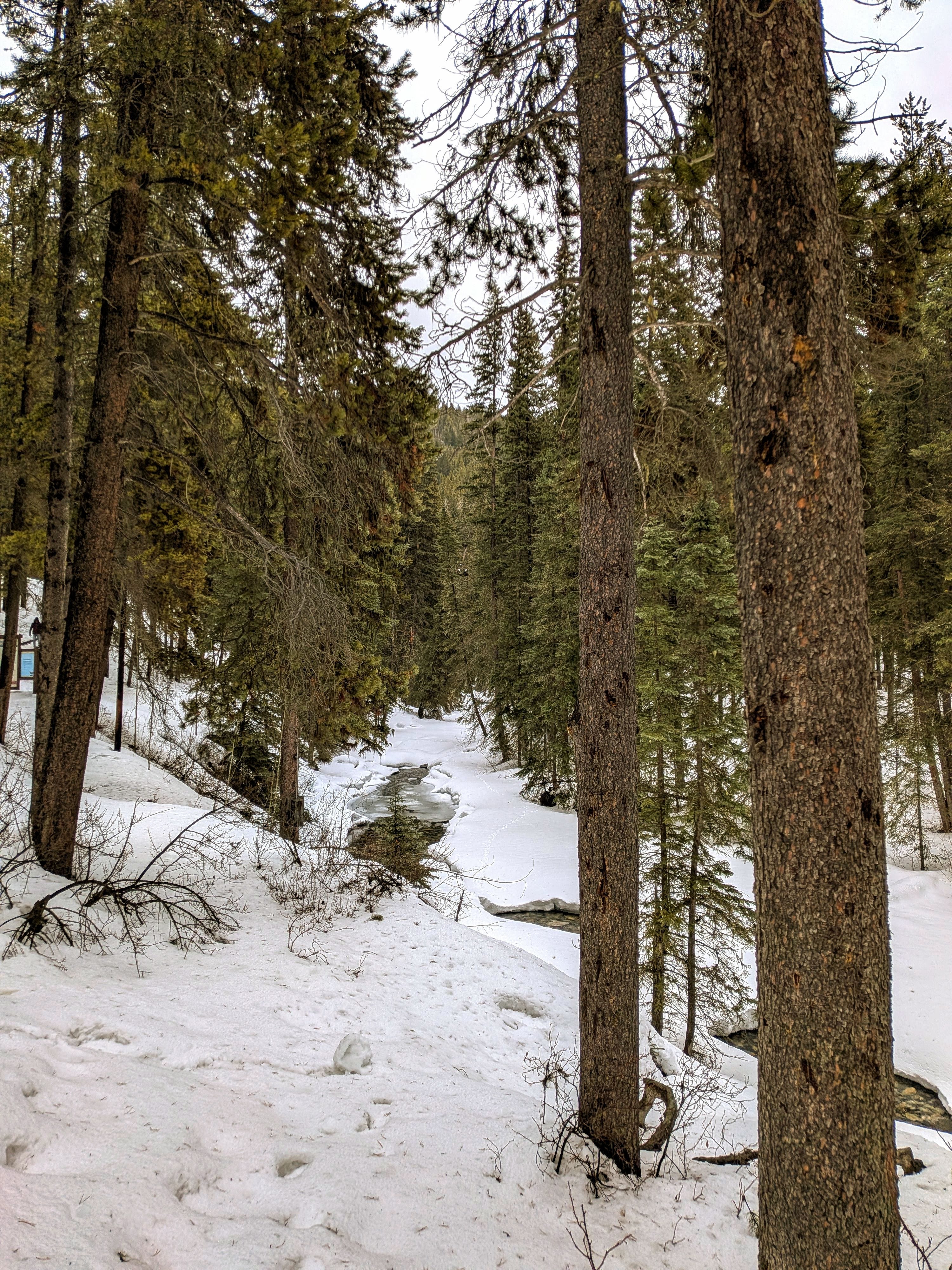
I've lost count of how many times I've done this trail. I've been going regularly since my early 20s. One time, I even saw a bear and felt like we really connected (but to be fair, I was on drugs). Those days were fun, but behind me and replaced by something better and more significant. Now, I get to show my daughter, and it seems that she really does love it too. So, we found ourselves on the trail again earlier this month.
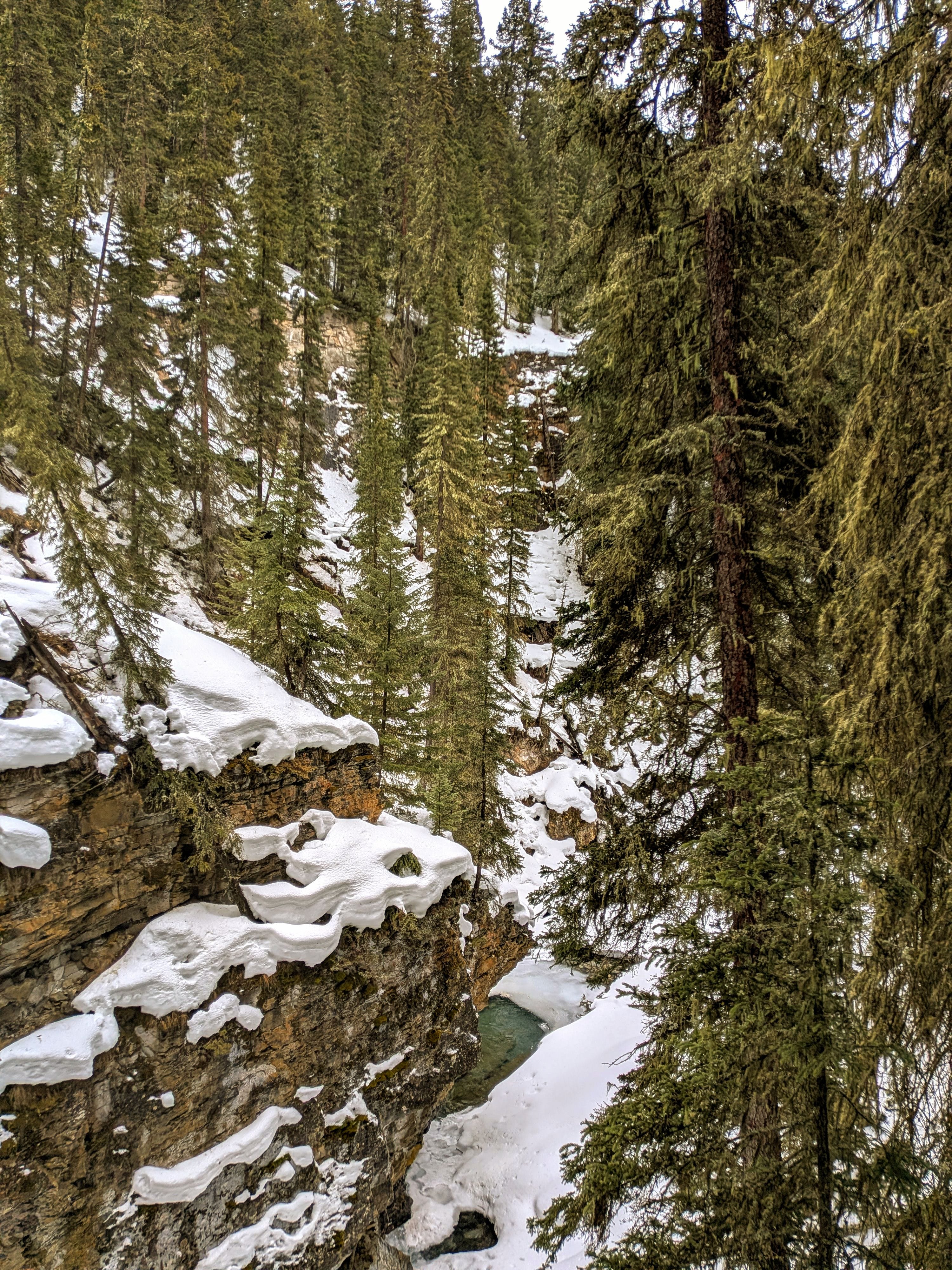
This Johnston Canyon trail is notorious for being very icy well into spring, and you’re best served if you come prepared with gear like crampons and poles. Well, we didn’t have any of that. The goal was mainly to see how far in we could go.
Keep reading with a 7-day free trial
Subscribe to Eva’s Essays to keep reading this post and get 7 days of free access to the full post archives.